Waste Processing Plants Bio-CNG Production Compost Liquid Fertilizer Refuse-Derived Fuel (RDF) Environmental Compliance DBFOOT Model
"Managing waste responsibly: safeguarding our planet's future, one eco-conscious decision at a time."
Inefficient Waste Disposal
In many areas, MSW is either dumped in landfills or improperly managed, leading to environmental pollution, public health risks, and resource wastage. CNM’s solution involves designing, constructing, and operating advanced MSW processing plants, reducing the need for traditional waste disposal methods.
Inefficient Waste Disposal
In many areas, MSW is either dumped in landfills or improperly managed, leading to environmental pollution, public health risks, and resource wastage. CNM’s solution involves designing, constructing, and operating advanced MSW processing plants, reducing the need for traditional waste disposal methods.
Environmental Pollution
Improper waste disposal often results in environmental pollution, including the contamination of soil and water bodies. By processing MSW efficiently, CNM aims to reduce pollution levels and contribute to a cleaner and healthier environment.
Resource Scarcity
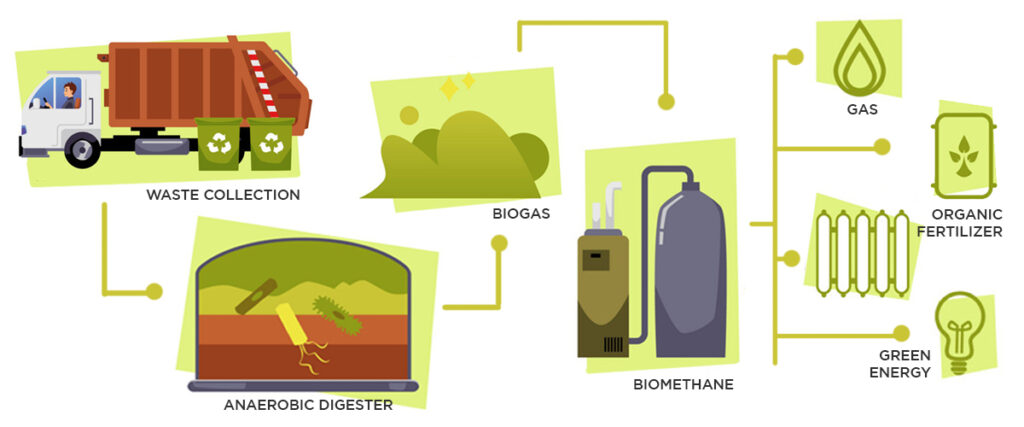
Our approach focuses on turning waste into valuable resources like Bio-CNG, compost, liquid fertilizer, and RDF. This not only addresses the issue of waste but also contributes to resource generation, which is crucial in a world facing increasing resource scarcity.
Green Energy Production
The generation of Bio-CNG from waste is a sustainable solution to the energy needs of communities and industries. By producing this green energy source, CNM reduces dependence on fossil fuels and contributes to a more sustainable energy ecosystem.
Landfill Reduction
Efficient waste processing reduces the volume of waste sent to landfills, extending their lifespan and minimizing the environmental impact of landfill sites.
Our Solution
Advanced MSW Processing Plants
We design, construct, and operate state-of-the-art Municipal Solid Waste (MSW) processing plants. These plants are capable of processing up to 300 tons of MSW per day, effectively reducing the burden on landfills and improper waste disposal methods.
DBFOOT Model
We employ the DBFOOT (Design, Build, Finance, Own, Operate & Transfer) model for a period of 25 years. This model allows us to take charge of waste management from the collection phase to the generation of valuable resources. It ensures that the we are responsible for every stage of the process, from waste collection to resource production.
Bio-CNG Production
One of our core solutions is the conversion of organic waste into Bio-Compressed Natural Gas (Bio-CNG). This green energy source is a sustainable alternative to fossil fuels and contributes to reducing greenhouse gas emissions. Bio-CNG can be used for various applications, including transportation and industrial processes.
Compost & Liquid Organizer
Our waste processing plants generate high-quality compost and liquid fertilizer. These organic products can be used in agriculture to enhance soil fertility and promote sustainable farming practices.
Refuse-Derived Fuel (RDF)
Wecreate Refuse-Derived Fuel (RDF) from non-recyclable waste components. RDF can be used as an alternative fuel source in industries and thermal power plants, reducing the need for coal or other fossil fuels.
"Sustainability is the pathway to a flourishing future, where harmony between humanity and the environment reigns supreme."